

What does it take to drive a Chevy Bolt EV to the Arctic Ocean and back?
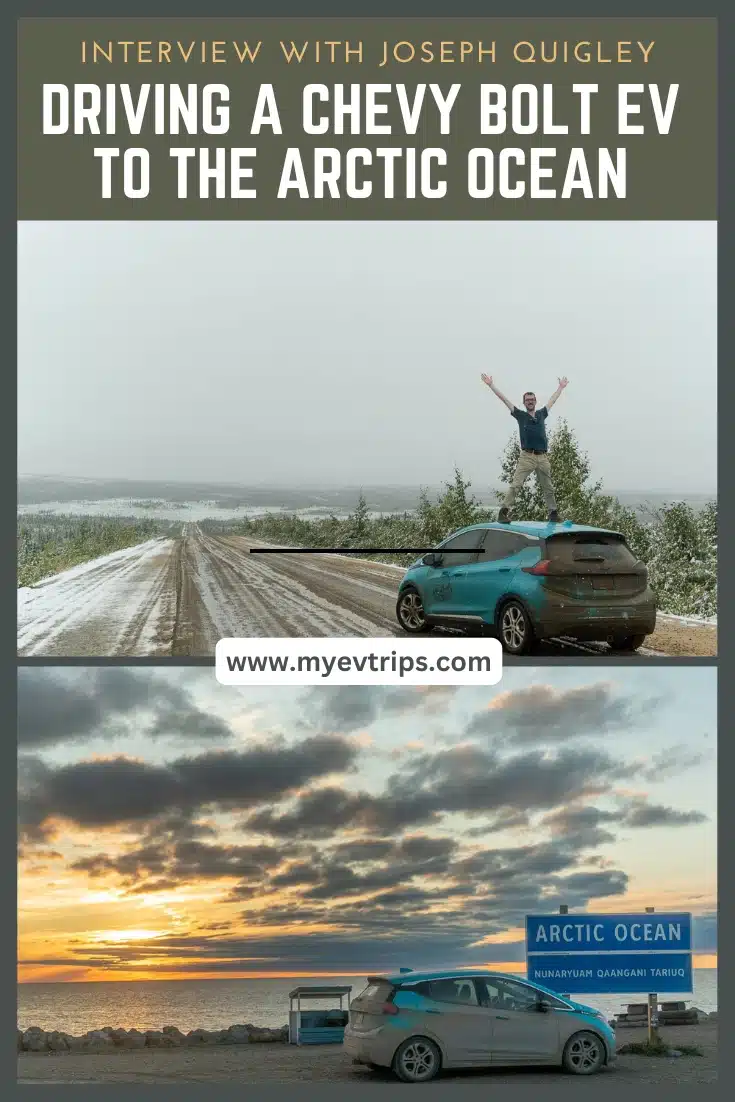
Most would say it’s impossible — especially on Canada’s notorious Dempster Highway. But Joseph Quigley didn’t just prove it could be done — he documented the entire experience, from Michigan to Tuktoyaktuk, in a Bolt EV most wouldn’t dare take on a rural road trip, let alone into the Arctic wilderness.
As someone who’s done the same drive solo in a Tesla Model Y, I was intrigued not only by his choice of car but by how calculated and possible he made this Chevy Bolt Arctic road trip seem.
In this interview, we explore Joseph’s motivation, planning, challenges, and what he learned about Chevy Bolt cold weather range, EV infrastructure in Canada, and how mindset might matter more than mileage.
Why the Chevy Bolt, and Why the Arctic?
MYEV: Of all the EVs available today, why did you choose a Chevy Bolt for a journey all the way to the Arctic Ocean?
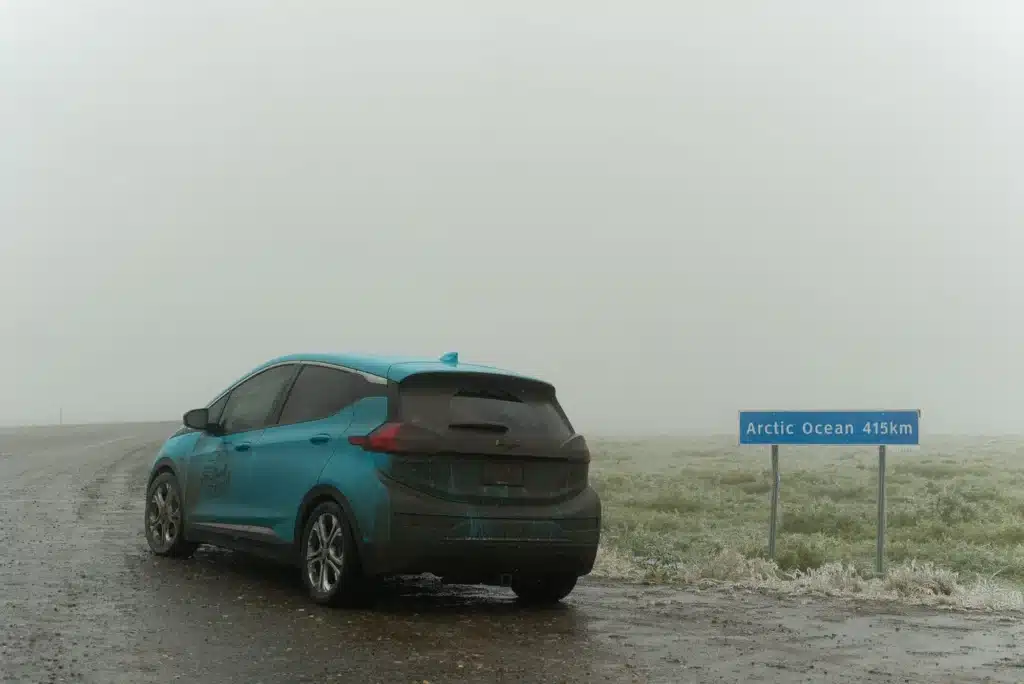
JQ: The short answer is because I already owned it — and it seemed like a challenge. After doing weeks of research, I realized that while there are Bolts scattered around Alaska, Northern BC, and Yukon, no one had attempted the Dempster in one yet.
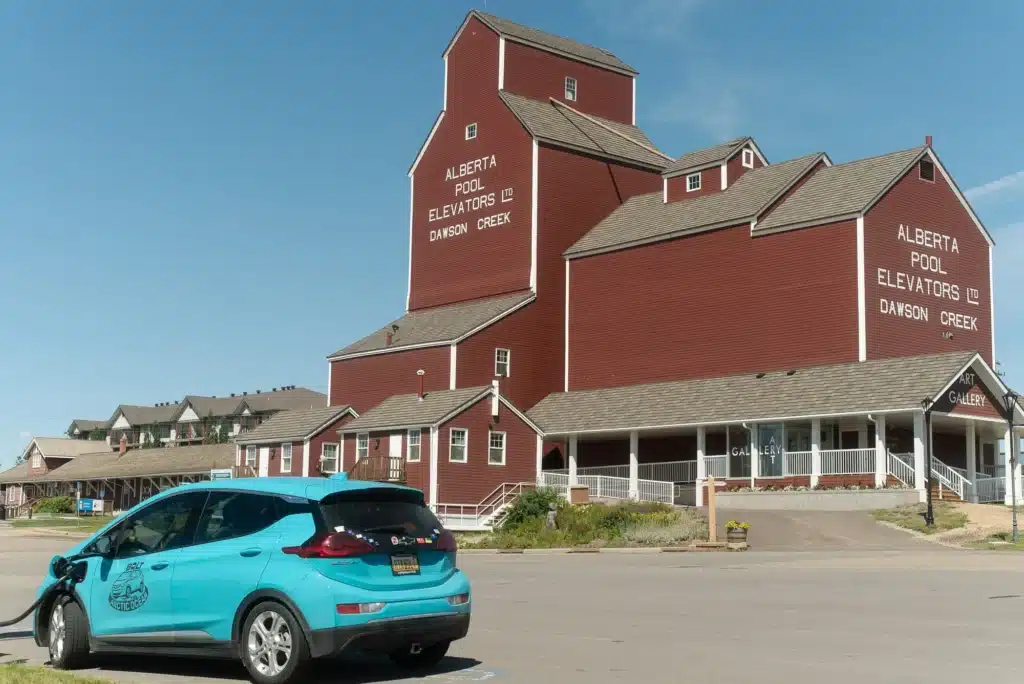
With just over 400 km (250 mi) of range, the Bolt felt like it was right on the edge of what’s feasible — a little tight for the Dempster, but perfectly suited for the Alaska Highway, Canada’s southern provinces, and the U.S. interstate system.
MYEV: What originally planted the seed for this trip? Was it always about pushing the limits of what an EV could do — or more about the spirit of adventure?
JQ: Honestly, it was all about the adventure. I wanted to do something that seemed absurd on paper, but in reality was still fun and possible — and hadn’t been done before.
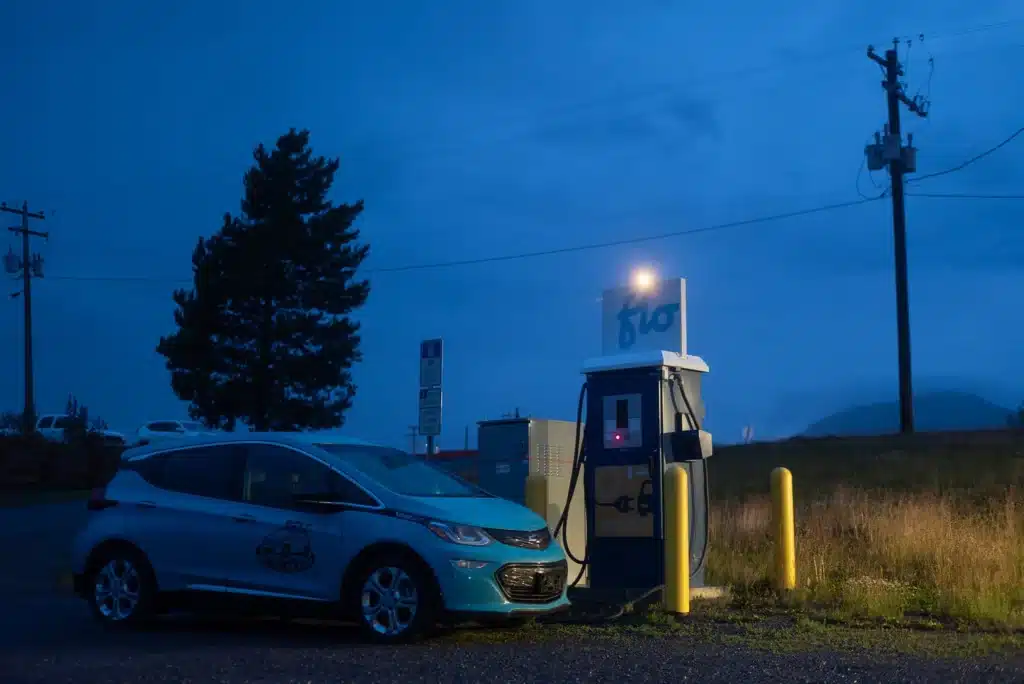
I wanted it to be both a personal journey and something that inspired others who might think this kind of travel isn’t accessible.
MYEV: There’s a scene in your video series where you’re watching Long Way Up, which reminded me of that buddy-road-trip vibe. Was that show an influence in how you approached this trip?
JQ: Absolutely — and that scene was an intentional homage. I discovered the Long Way series during the 2020 lockdown and found it incredibly comforting when I couldn’t be out adventuring with friends.
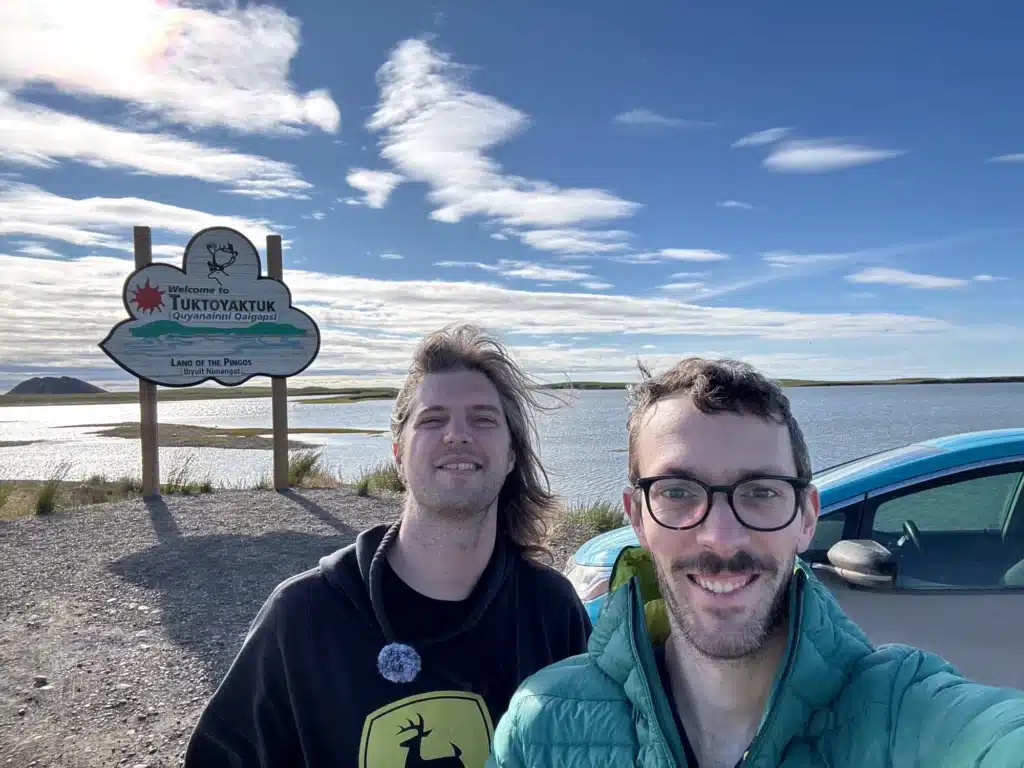
I feel lucky that, in my mid-30s, I had both a close friend to do a trip like this with and the time and means to make it happen.
My goal with filming was to give others — especially those who can’t travel right now — a way to come along for the ride. Whether we were the first Bolt on the Dempster or not, the point was about sharing exploration.
Range Anxiety and the Dempster Highway
MYEV: Your drive from Dawson City to Eagle Plains looked calm on video, but it felt more nerve-wracking to me as a viewer and someone that has done the drive. Was that confidence genuine, or did editing smooth over the stress?who
JQ: I’m surprised it looked so calm! I felt like throwing up when I saw we’d used up 10% of our range just getting from Dawson City to the start of the Dempster.
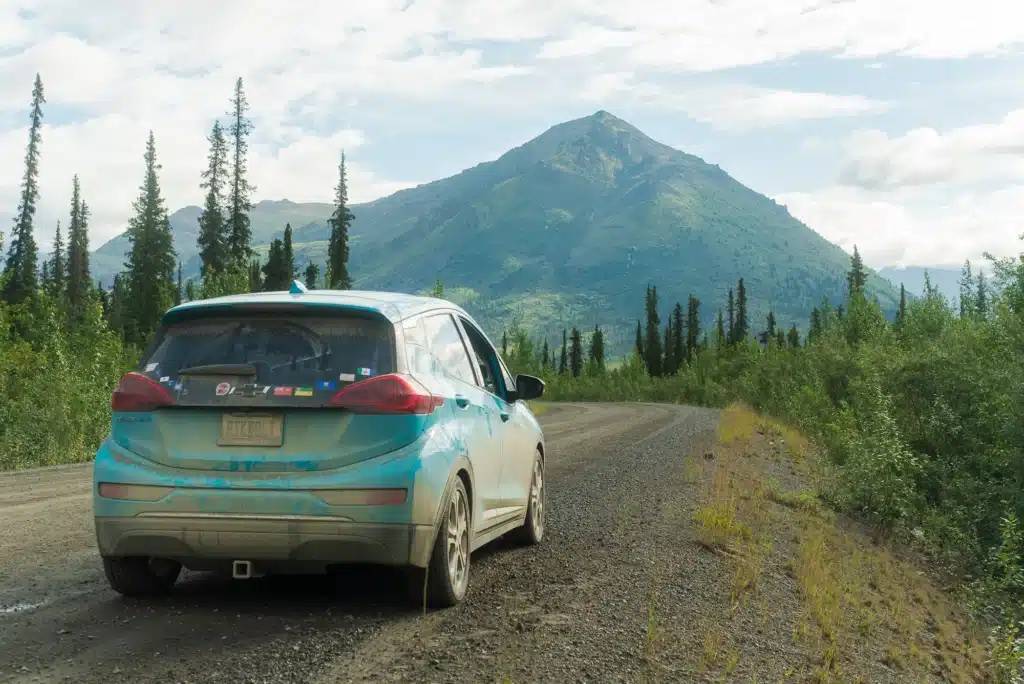
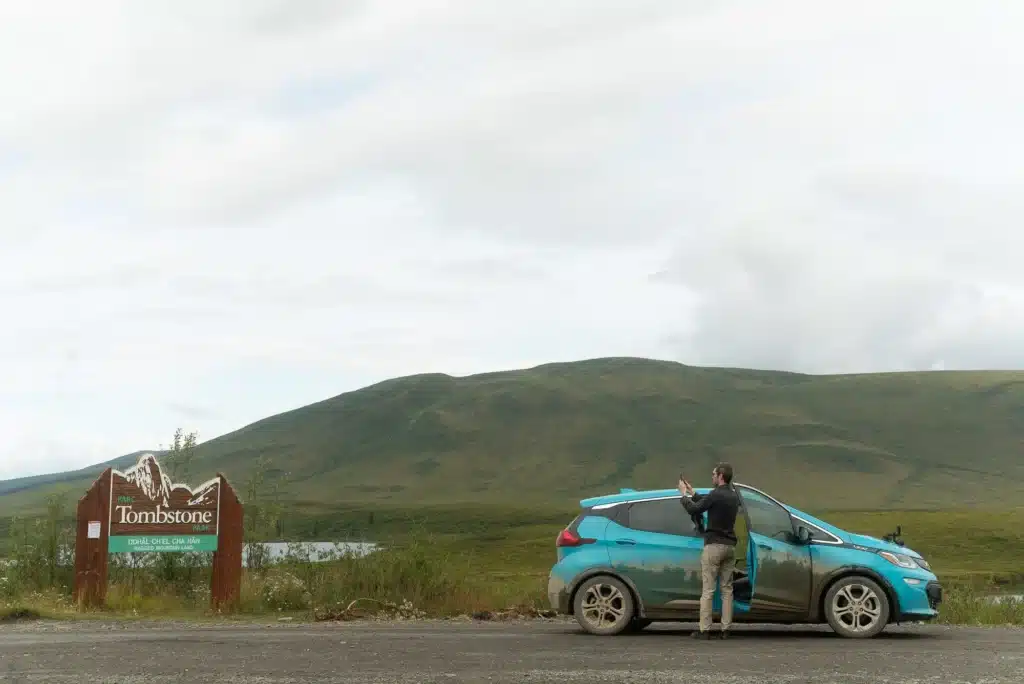
I included some snippy moments between Micah and me in the episode to show the nerves were real. We even stopped in Tombstone National Park to talk through whether we should continue.
The mood really shifted after Tombstone when we started seeing downhill stretches and our consumption leveled out. I didn’t want to over-dramatize things just for YouTube.
We were cautious, and while we didn’t have cell service or Starlink in our car, we knew there were vehicles behind us who could help in an emergency. We weren’t reckless.
Also — full credit to the Bolt’s dash layout. It shows active kWh consumption right on screen, which helped us adjust our driving in real-time. Seeing our draw drop from 14–24 kW down to 5–7 kW after Tombstone helped with the anxiety.
MYEV: I had similar nerves and sense of relief once I knew it was going to be OK. Still, not a great feeling but certainly adds to the experince!
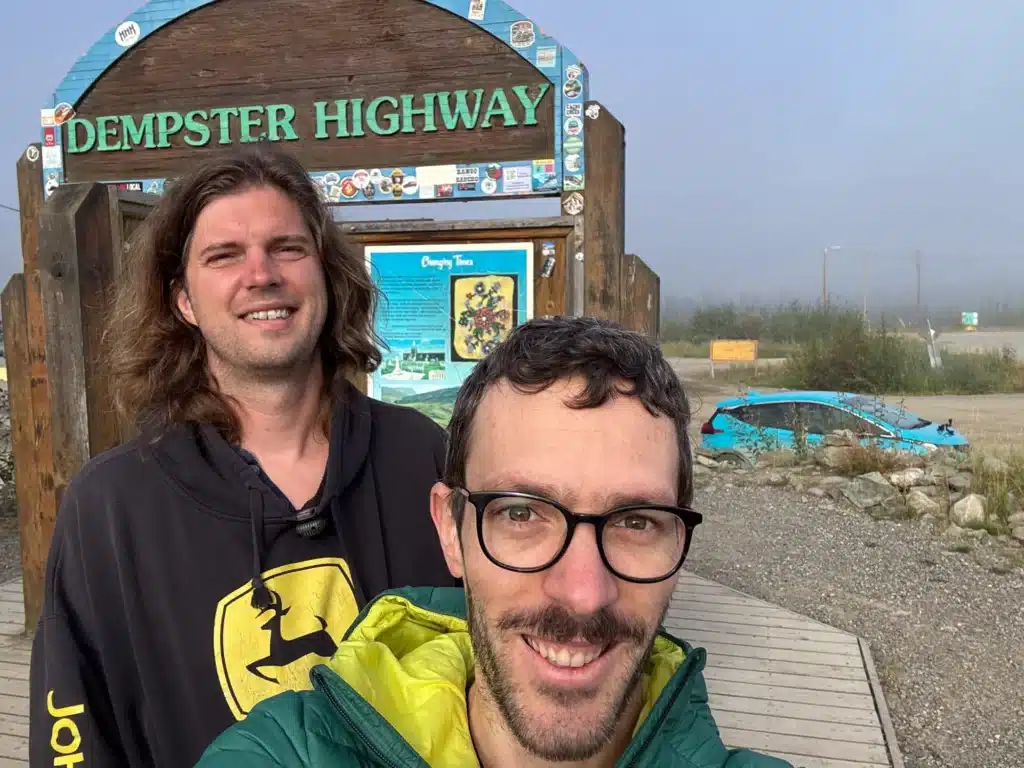
MYEV: How did you manage decision-making and range anxiety in such a remote place?
JQ: This is where Micah was key. He reminded me that temperatures would improve as we left the Klondike basin, and he kept hunting for potential 110V outlets just in case.
He also had the foresight to download offline topo maps so we could estimate elevation changes ahead. That gave us a lot of confidence.
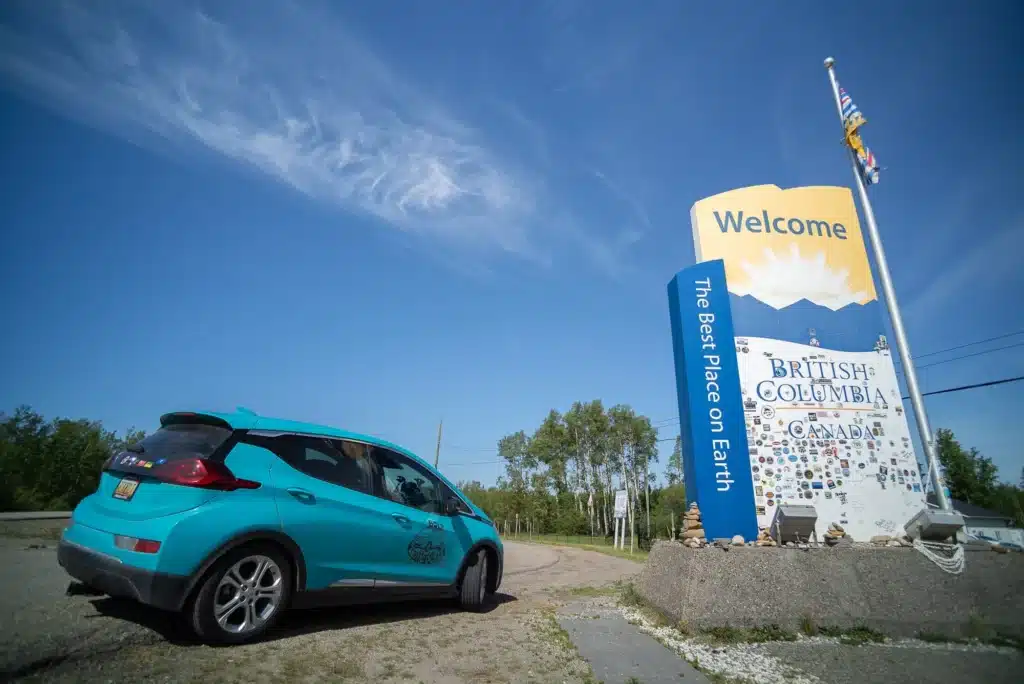
We also hyper-miled — or maybe “hyper-kilometred.” Micah figured out that shifting into neutral to avoid regenerative braking on short hills was more efficient unless regen produced enough energy to climb the next hill. The OBD-II dongle helped too — it let us see exact battery data the dash wouldn’t show.
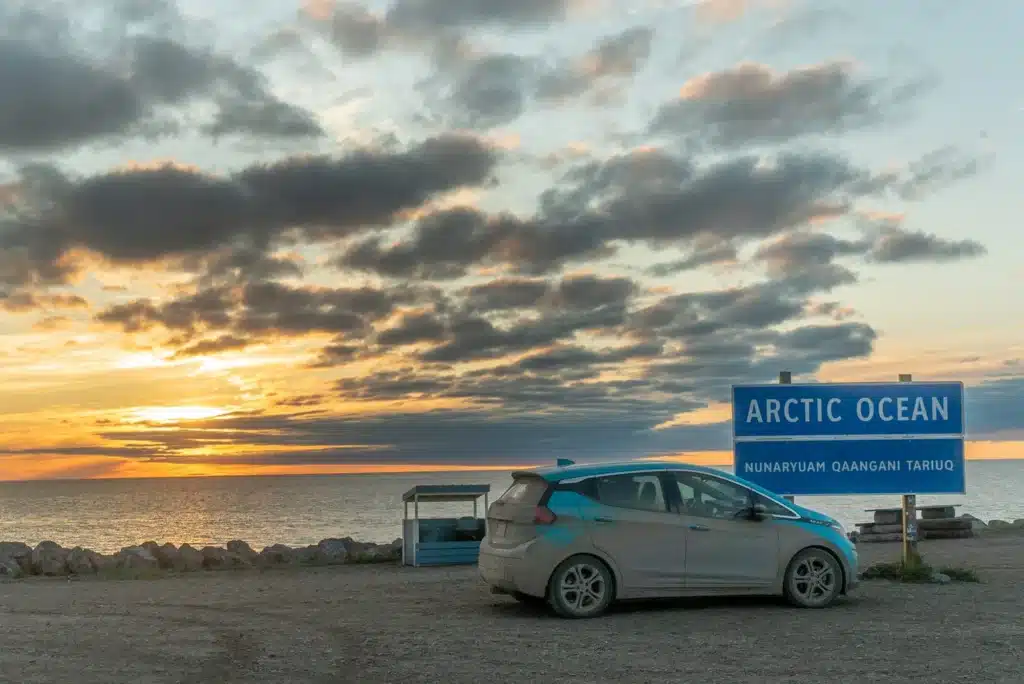
Ultimately, we told ourselves the goal was just to make it to Tuk — even if we had to get a tow for the last bit. EV purity was secondary to the adventure.
Reactions, Skepticism, and Proving a Point
MYEV: One of my favorite moments was your montage of skeptical Facebook comments. I may even have been part of that when I saw your vehicle of choice. Did you hear from any of those critics after completing the trip
JQ: Not really. I pulled the most dramatic comments for comedic effect — and no, I didn’t include yours, even if you were skeptical. 😉 It’s disappointing but not surprising that the loudest critics never came back to acknowledge we finished. That’s the internet.
To be fair, some of the criticism was nuanced — like the fact that I was charging in places that rely on diesel generators. But I drive an EV because I enjoy it, not to save the planet.
Still, after the trip, I calculated our emissions and paid a carbon-capture company to remove double the estimated output — not an offset, actual carbon removal.
MYEV: Do you think skepticism toward EVs in the north is mostly political, practical, or just a lack of experience?
JQ: All of the above. A lot of people still think EVs don’t work in the cold — but many owners in places like Whitehorse use them daily without issue. Long-distance travel is the harder part due to reduced winter range and limited infrastructure. At -40°C, no one wants to be stuck with a finicky charger.
We’ve had mass-market EVs for over 15 years now. I think the real challenge for adoption is access to home charging — not battery life or winter performance.
For most people, fast charging is expensive and inconvenient for daily use. I’m lucky I can get by on a 110V outlet most of the month.
Also, EVs were overpriced for a long time. I got my 2020 Bolt with 12,000 miles for $18,000 USD in 2023. A used Honda Fit at the time cost more — with no driver assists. That gap is finally closing.
Lessons Learned and Advice for Others
MYEV: Looking back, what was your biggest takeaway? What do people overthink or underestimate about EV travel in the North?
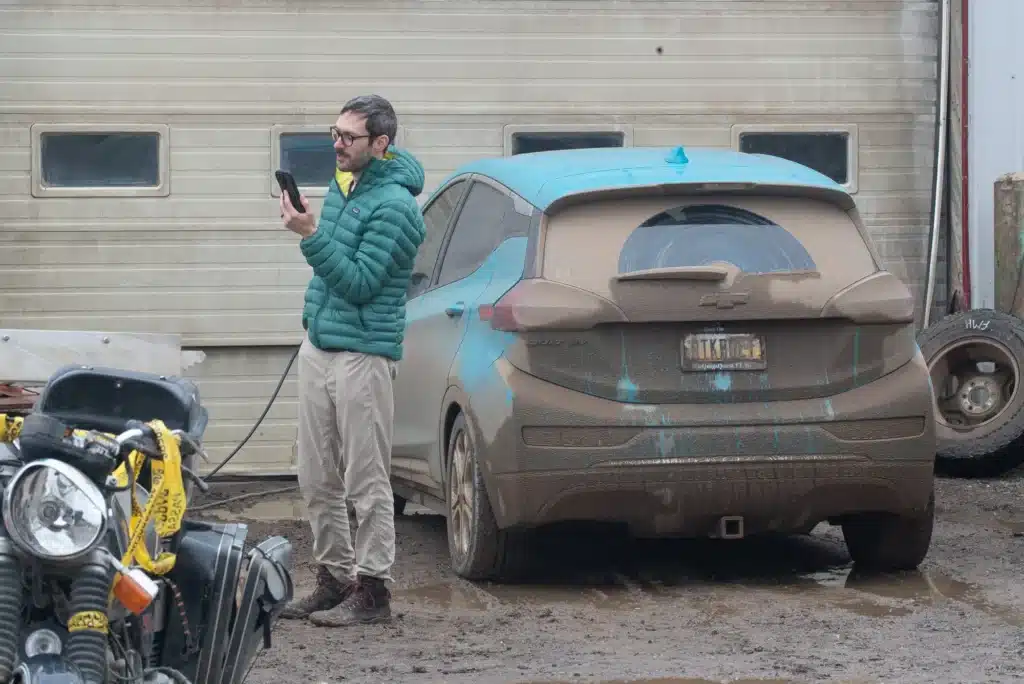
JQ: The communities along the Dempster are at a tipping point. More people are doing EV trips, and the locals who help with charging — like the guy who runs Polar Tire in Inuvik — are getting overwhelmed. He was super helpful, but we ended up chasing him around town on multiple days just to try and charge.
MYEV: Ah yes, I experienced the same in Inuvik and, sadly, the owner of Polar Tire has decided to decommission his charger. He didn’t allow me to charge, even though I bought a $450 tire.
JQ: Yes, either local governments or private businesses need to install self-serve charging soon, or I worry people will get stranded. It’s not sustainable to rely on a few overworked residents.
Honestly, if Yukon and NWT installed three or four of those propane-powered DCFC trailers like BC Hydro uses, it would completely change the game.
MYEV: What’s one thing someone should know before even beginning to plan a Dempster EV trip?
JQ: Know how your car performs on wet dirt, mud, slush, and snow. We got lucky with weather. If it had been colder, we wouldn’t have made it.
The only reason we reached Inuvik with 2–3 inches of slush was because we pre-arranged a 220V charge in Fort McPherson. That weather window made all the difference.
MYEV: I had the same experience. I lost so much range due to caked on mud and that 220V charger in Fort McPherson was a saviour. I would not have made it to Eagle Plains without it.-
MYEV: If you were to do it again, what would you change?
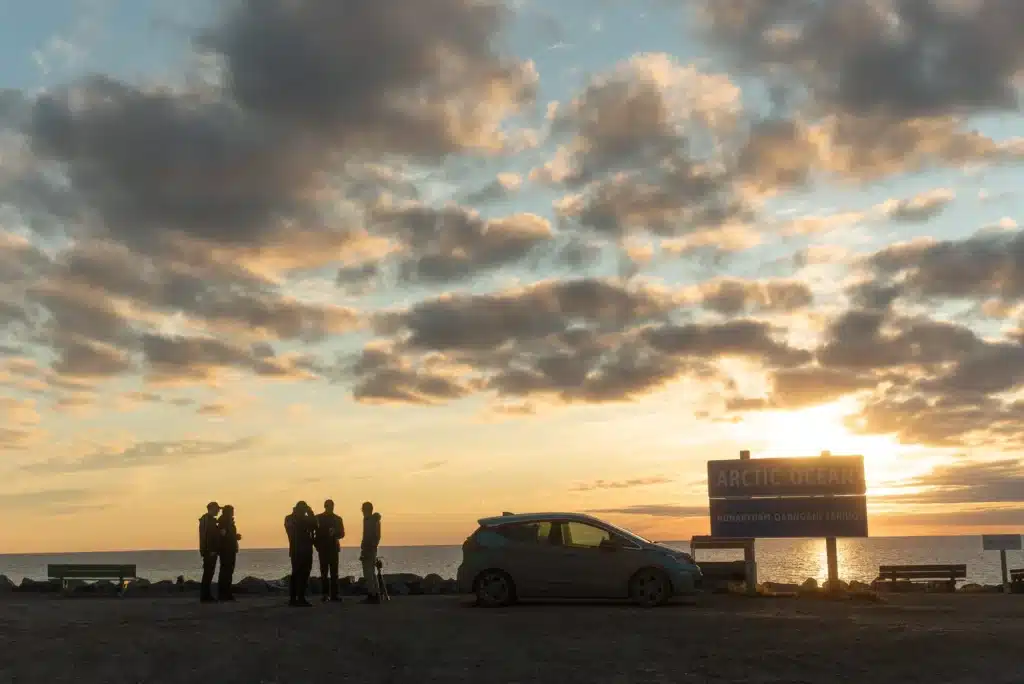
JQ: I’d give myself more time to slow down. We reached the Arctic Ocean, took a few photos, and had to turn around six hours later to beat incoming weather.
If I did this again, I’d consider leaving the car in Whitehorse, flying home, and coming back later to finish the Dempster during ideal conditions. The road — and the people along it — deserve more time. Also, I still haven’t seen a moose or grizzly. I feel cheated!
MYEV: Well said! What I love about EV travel is the somewhat built-in need to slow down and enjoy the ride, making the journey as important as the destination
Meet Joseph Quigley
Joseph is an EV adventurer and storyteller who grew up in Guatemala and now resides in the U.S.
When he’s not planning ambitious EV road trips, he’s filming them for his YouTube channel @QuigsQuest, where you can watch his full Chevy Bolt Arctic adventure.
📺 YouTube: QuigsQuest 📸 Instagram: @QuigsQuest 🌐 Website: quigs.quest
chevy bolt arctic road trip FAQ:
Can a Chevy Bolt handle the Dempster Highway?
Yes, with preparation and planning. While the range is tight, Joseph proved it’s possible with a combination of public charging, permission from local businesses, and smart energy management.
How did cold weather affect range?
Cold temperatures, slush, and elevation had a major impact on range. Planning for reduced efficiency and understanding EV range in winter are essential.
Where did they sleep during the trip?
Mostly in hotels, but they also slept in the front seats of the Bolt and camped twice. A built-in sleeping platform went mostly unused due to packing logistics.
How long was the full trip?
Roughly 8,000 miles (12,000 km) round-trip from Michigan to Tuktoyaktuk and back.
Can you follow their exact route?
Yes — and it’s documented on video via @QuigsQuest. You can also check out a similar journey with our interview on the Dempster Highway EV trip for more details.
What gear or accessories helped most?
LED interior lighting helped with comfort during dark stretches and accessory upgrades offer good parallels for other EVs.
How do you monitor EV battery health?
Learn how to check and understand EV battery health and degradation before and after long-distance trips.
Planning your own route?
If you’re starting in central or western Canada, see our Yellowknife to Edmonton EV road trip or Edmonton to Yellowknife EV guide for additional route inspiration.
All images provided by Joseph Quigley & Micah Leier